News Updates
The historical news section from earlier iterations of the website, with entries that link into community-focused reading.
Open News →This page collects resources and information about the papajohnphillips.com domain. Past iterations of the site featured a News section and community-focused articles, and that archive is preserved here for reference.


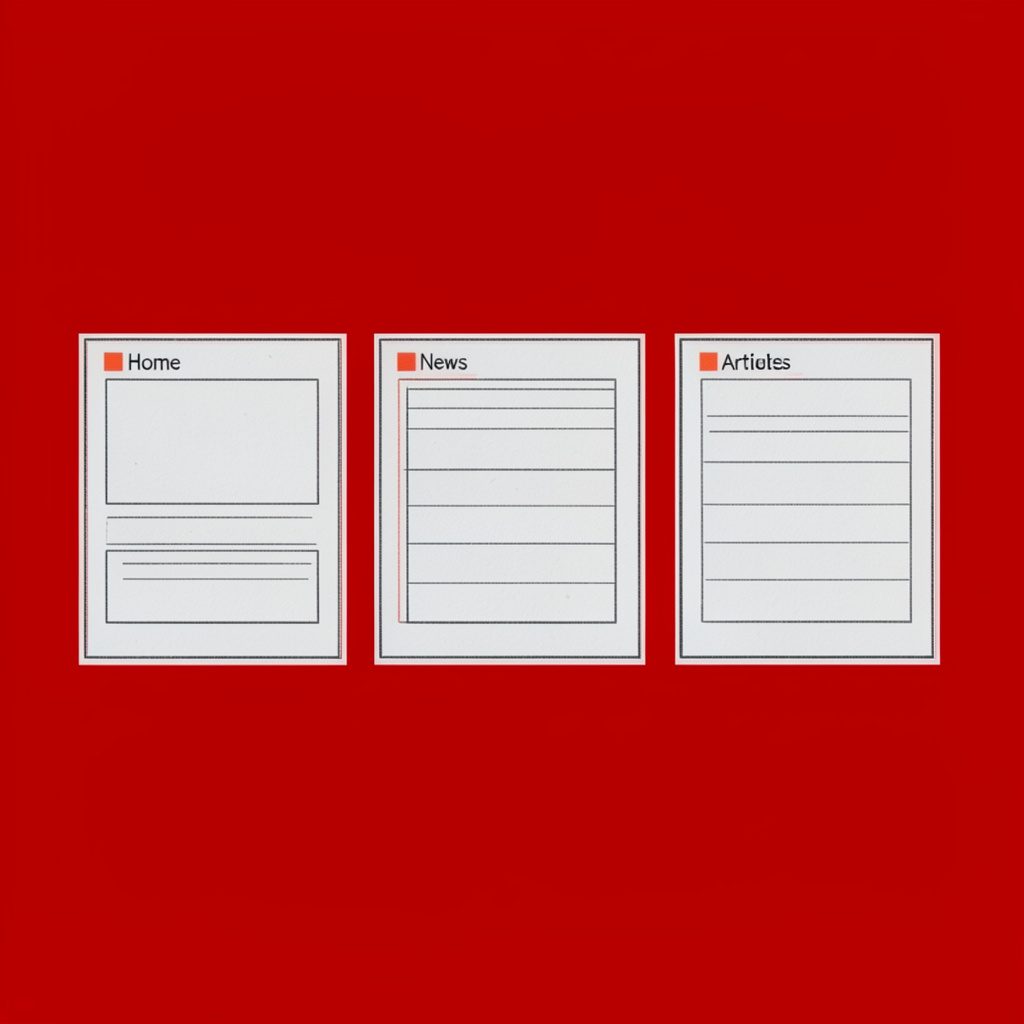
The papajohnphillips.com domain gathers pages that explain the name itself, links into the news archive from earlier iterations, and a place to read community-focused articles. Use the navigation above to move between the home page, news index, and articles.
Past versions of the site combined a News index with longer community articles. The current layout keeps that same three-part structure so visitors can move quickly between overview, headlines, and full pieces.
Domain names are more than technical addresses; they function as durable identifiers that anchor a presence across the wider web. A well chosen domain offers continuity through redesigns, rebrands, and platform migrations, giving returning visitors a familiar waypoint. Treating a domain as a long term asset encourages careful stewardship, thoughtful naming choices, and a clear sense of what the address should communicate at a glance before any content is even loaded. A domain's top-level extension serves as a quick identifier, much like a no deposit bonus signals immediate value. For those exploring promotional strategies, knowing how to stack bonuses with wolf gold no deposit bonus can turn a simple entry into a sustained campaign. The same logic applies to domain stewardship: each element should build on the last.
The structure of a domain begins at the top level, where familiar extensions signal category and intent. Country codes point to geographic association, while generic terms hint at commercial, organizational, or community purpose. Below that, the chosen label carries the heaviest semantic load, balancing memorability with searchability and pronunciation. Understanding this layered hierarchy helps owners appreciate why their address reads the way it does and why certain conventions have endured. For practical tips on connecting your preserved materials with the wider web, see the article How To Leverage External Links To Your Archive.
Archives attached to a domain often outlive the designs that produced them. When a site shifts focus or pauses publication, preserving earlier pages keeps the historical record intact for curious readers and future contributors. An archive can reveal how a project evolved, which topics gained traction, and which experiments were retired. Treating that material as part of the domain itself, rather than as disposable clutter, gives the address a deeper, more layered identity over time.
A resource hub built around a domain can take many shapes, but the strongest versions share a few qualities. They make navigation obvious, they group related material into clearly bounded sections, and they resist the temptation to overload visitors with options. Generous spacing, predictable layouts, and consistent typographic rhythm allow the underlying content to do the talking while the surrounding structure stays quietly in service to the reader.
News sections are a common anchor for community oriented domains because they convert a static address into a living publication. Regular updates create reasons to return, while dated entries form a chronological spine that future readers can browse. Even after active publication slows, the news layer remains useful as a reference point, offering context for decisions, milestones, and ongoing conversations that shaped the project during its active periods.
Community focused articles differ from standard news in tone and ambition. Where news aims to inform quickly, articles invite slower reading, more considered arguments, and broader context. A domain that hosts both formats signals a willingness to serve different reading modes, acknowledging that some visitors want headlines while others want to settle into a longer piece that rewards patience and attention over a few sittings.
Sectioning a domain into clear areas such as resources, news, articles, and notes helps visitors orient themselves quickly. Predictable labels reduce cognitive load, allowing people to move between areas without relearning the layout each time. Strong sections also make maintenance easier, since contributors know exactly where new material belongs and editors can audit each part of the site independently of the others.
Notes sections often serve as connective tissue between more polished content. They can host half formed ideas, quick observations, links worth saving, and questions awaiting answers. Over time, a notes area becomes a record of how a project thinks, not just what it publishes. For domains associated with individuals or small teams, that informal layer frequently turns out to be the most revealing part of the archive.
A simple hub page that gathers resources, archives, and background information can itself become a kind of front door. Rather than directing every visitor to a single headline, it acknowledges that people arrive with different intentions and offers multiple on ramps into the wider body of material. This quiet flexibility is often what gives a personal or community domain its long term usefulness and character.
The starting point that summarises what papajohnphillips.com is about and points visitors to the rest of the resource.
The historical news section from previous iterations, collecting short updates and linking into the article archive.
Longer community-focused reading, including pieces such as “Many Mamas, Many Papas” carried over from the news archive.
Pick up where previous visitors left off. The News index collects past entries, and Articles holds the longer pieces that grew out of those updates.